

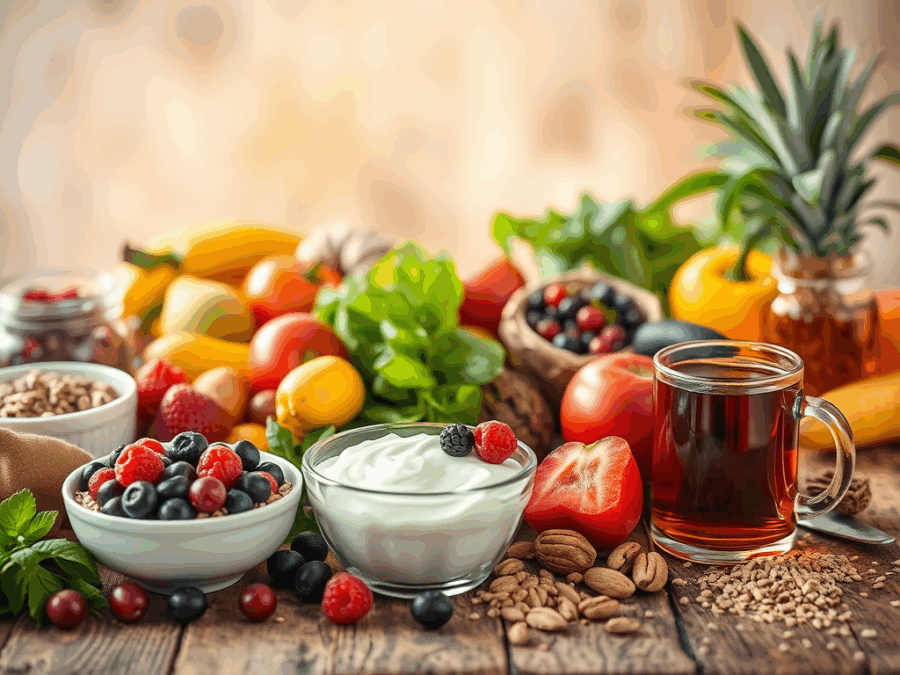
Reducing sugar in your diet is one of the most impactful changes you can make for better health. Too much added sugar has been linked to weight gain, low energy, inflammation, and increased risk of chronic conditions. The good news? Cutting back doesn’t mean giving up flavor or enjoyment. Here are practical, effective ways to reduce sugar while still loving what you eat.
1. Learn to Spot Hidden Sugars
Sugar often hides in foods you wouldn’t expect—salad dressings, pasta sauces, flavored yogurts, breads, and even savory snacks.
Tips:
- Read nutrition labels carefully
- Look for words like corn syrup, dextrose, maltose, cane juice, fructose
- Choose products with little to no added sugar
2. Choose Whole Foods More Often
Whole foods naturally contain fiber, nutrients, and less added sugar.
Swap this → For this
- Sugary cereal → Oatmeal with fruit
- Sweetened yogurt → Plain Greek yogurt + berries
- Processed snacks → Nuts, seeds, or fresh fruit
Eating closer to nature helps regulate blood sugar and keeps you fuller longer.
3. Cut Back on Sugary Drinks
Sugary beverages are one of the biggest sources of excess sugar.
Better alternatives:
- Water with lemon, lime, or cucumber
- Unsweetened iced tea or herbal tea
- Sparkling water with a splash of 100% fruit juice
Just eliminating sugary drinks can dramatically lower daily sugar intake.
4. Retrain Your Taste Buds
Your palate can adapt over time. As you reduce sugar, overly sweet foods will start tasting too sweet.
Try this:
- Gradually reduce sugar in coffee, tea, and recipes
- Choose dark chocolate instead of milk chocolate
- Enjoy naturally sweet foods like fruit, cinnamon, or vanilla
Consistency is key—your taste buds will catch up.
5. Use Natural Sweeteners Mindfully
Natural sweeteners can be helpful, but they should still be used in moderation.
Better options include:
- Honey
- Maple syrup
- Dates or date paste
- Stevia or monk fruit (no blood sugar spike)
Use them to enhance flavor, not dominate it.
6. Focus on Protein, Fiber & Healthy Fats
Balanced meals reduce sugar cravings and prevent energy crashes.
Include:
- Lean proteins (fish, chicken, beans, eggs)
- Fiber-rich foods (vegetables, whole grains, legumes)
- Healthy fats (avocado, olive oil, nuts)
These nutrients help stabilize blood sugar and keep you satisfied.
7. Plan Ahead & Prep Meals
When hunger hits, convenience foods are often sugar-heavy.
Stay prepared by:
- Meal prepping healthy snacks
- Keeping fruit, nuts, and yogurt on hand
- Cooking at home more often so you control ingredients
Planning reduces impulse choices.
8. Be Realistic—Not Perfect
You don’t have to eliminate sugar completely. The goal is progress, not perfection.
Healthy mindset:
- Enjoy treats intentionally
- Balance indulgences with nutritious meals
- Focus on long-term habits, not short-term restriction
Sustainable change always wins.
Final Thoughts
Reducing sugar isn’t about giving up joy—it’s about gaining energy, balance, and better health. Small, consistent changes can make a big difference over time. Start with one habit, build momentum, and let your body thank you.