

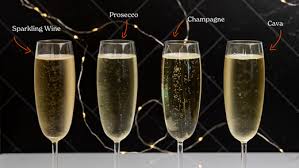
When it comes to celebrations, nothing says cheers quite like a glass of bubbles. But here’s where many get confused—what exactly is the difference between Champagne and sparkling wine? While every Champagne is a sparkling wine, not every sparkling wine is Champagne. Let’s uncork the details and break down what sets them apart.
1. Origin Matters: Champagne Is a Place
The most important distinction comes down to geography.
- Champagne refers specifically to sparkling wine made in the Champagne region of France. By law, only sparkling wines produced there can carry the name “Champagne.”
- Sparkling wine is the broader category. It’s made all over the world—Italy, Spain, California, Australia, and beyond. Famous examples include Prosecco (Italy), Cava (Spain), and Crémant (other regions in France).
Think of it like this: Champagne is to sparkling wine what Parmigiano-Reggiano is to cheese—it’s a name tied to its place of origin.
2. Production Methods
The bubbles don’t just happen by chance. They’re crafted using different techniques:
- Champagne is made using the traditional method (Méthode Champenoise). This involves a secondary fermentation inside the bottle, creating finer, longer-lasting bubbles and complex flavors.
- Other sparkling wines may use the same traditional method (like Cava or Crémant) or the tank method (Charmat method), which is more common in Prosecco. The tank method produces fresher, fruitier bubbles, but with a lighter texture.
3. Grapes Used
- Champagne is typically made from three grapes: Chardonnay, Pinot Noir, and Pinot Meunier.
- Sparkling wines around the world can use a wide variety of grapes. For example, Prosecco uses Glera grapes, while sparkling Shiraz from Australia uses Shiraz grapes.
4. Flavor and Style
- Champagne tends to be more complex, with notes of brioche, citrus, almonds, and minerals—thanks to the aging process on the lees (yeast).
- Other sparkling wines can range from crisp and fruity (like Prosecco) to rich and nutty (like Cava), depending on the grape and production method.
5. Price Point
Because of its prestige, strict regulations, and labor-intensive production, Champagne usually carries a higher price tag. Sparkling wines made outside Champagne can be far more affordable while still offering high quality.
So Which Should You Choose?
- Go for Champagne when you want elegance, complexity, and tradition—it’s the ultimate luxury bubbly.
- Reach for sparkling wine when you want something fun, fresh, and versatile without breaking the bank.
Both are perfect for celebrations big or small, from weddings and holidays to a casual Friday night at home. At the end of the day, what matters most is raising a glass of bubbles and enjoying the moment.
Bottom line: All Champagne is sparkling wine, but not all sparkling wine is Champagne. Next time you’re at the wine shop, you’ll know exactly what makes each bottle unique—and you’ll pick the right one for your celebration.